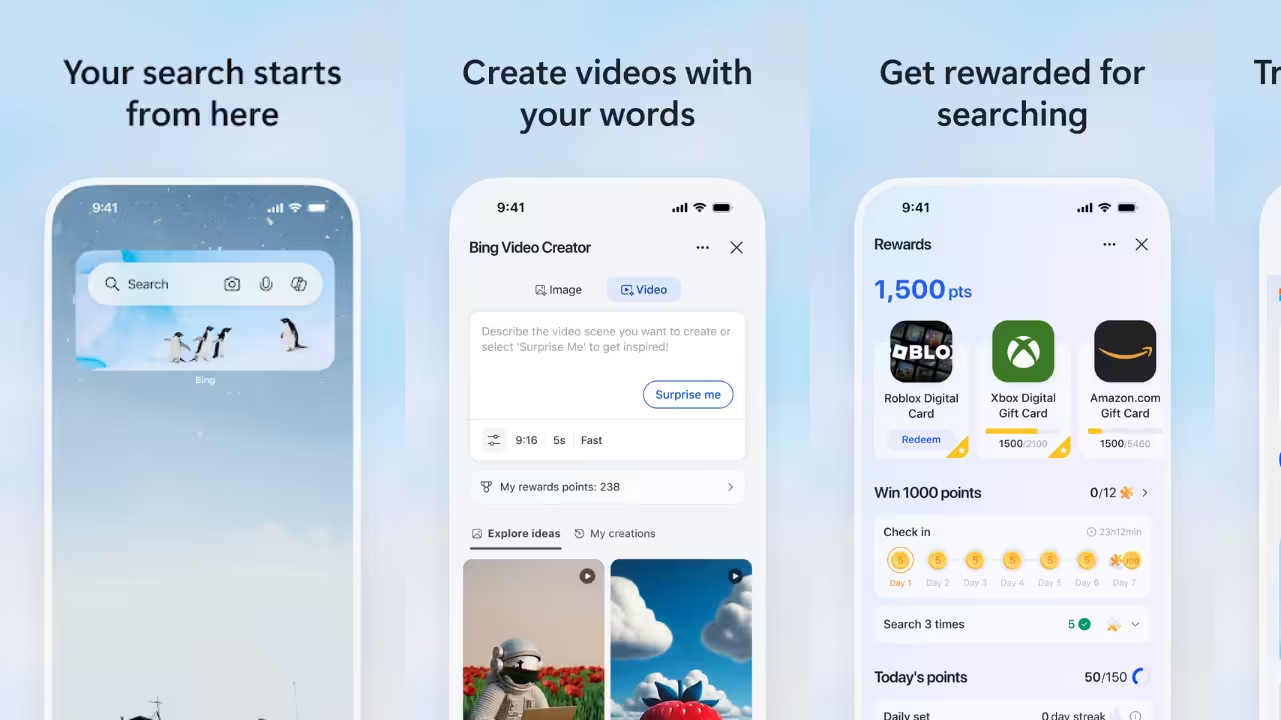
Introduction to Microsoft Bing Search
Microsoft Bing Search is one of the most widely recognized internet search engines in the world. Launched by Microsoft to compete with other major search platforms, Bing has grown steadily through continuous innovation, user-centered design, and integration with Microsoft services. It offers tools and features that make finding information online easier and more efficient.
The History and Evolution of Bing
Bing was introduced in 2009 as the successor to Microsoft’s earlier search engines such as MSN Search and Windows Live Search. The goal was to create a more dynamic and intelligent search engine that could rival dominant players in the space. Over time, Bing has undergone several updates, adding features like predictive search suggestions and deep answer boxes for faster, richer information.
Core Features That Define Bing
Bing distinguishes itself through a range of core features designed to improve search quality and user experience. Its search homepage is known for the daily changing background imagery that showcases beautiful photos from around the world. Bing’s search results include rich snippets that provide concise, direct answers to many queries.
Bing’s Competitive Position in the Search Market
While Bing is not the number one search engine globally, it holds a strong position as a major competitor to other search platforms. Bing powers search results not only on its own website but also for other partners, including some features on Yahoo and Microsoft-integrated edge experiences.
Search Quality and Relevance in Bing Algorithms
The heart of Bing’s success lies in its search algorithms, which aim to deliver both accurate and relevant results tailored to user intent. Bing continuously updates its indexing models to better understand language patterns, user context, and semantic meaning.
Visual Search and Multimedia Experiences
One area where Bing has pushed boundaries is in visual and multimedia search. Users can upload photos or use images as the basis of a search, and Bing will return related visual matches and context about objects in the images. This innovation has attracted users who prefer visual discovery over text-based search.
Integration with Microsoft Ecosystem
Bing’s tight connection with the wider Microsoft ecosystem is a strategic strength. Bing integrates smoothly with Windows, Microsoft Edge, and Microsoft 365 applications, which enhances productivity by delivering search results directly within work contexts. Users who search from within the operating system enjoy quick access to definitions, travel times, files, and calendar events.
Privacy Controls and User Trust
In the modern digital landscape, privacy is a central concern for search engine users. Microsoft has responded by adding enhanced privacy controls to Bing. Users can adjust settings related to search history, personalized advertising, and data retention. Microsoft also offers a tracking prevention approach that limits the sharing of personal data across third parties.
Bing for Businesses and Advertisers
Beyond serving individual users, Bing also plays a significant role in digital advertising. Through Microsoft Advertising, businesses can place paid search ads that appear in Bing search results and across partner networks. Bing’s advertising platform is designed to help small and large organizations reach audiences at competitive rates, often with lower cost-per-click metrics compared to other platforms.
Innovations and Future Directions
Looking forward, Bing continues to invest in innovation, particularly in areas like artificial intelligence, natural language processing, and conversational search. Microsoft has increasingly integrated advanced AI models into Bing, enabling more conversational responses and interactive search experiences.
Conclusion: Bing’s Role in the Digital World
Microsoft Bing Search remains a significant player in the global search landscape, offering an array of features that appeal to a wide range of users. Its emphasis on relevance, visual media, privacy, and integration with the Microsoft ecosystem gives it a unique identity among search engines.