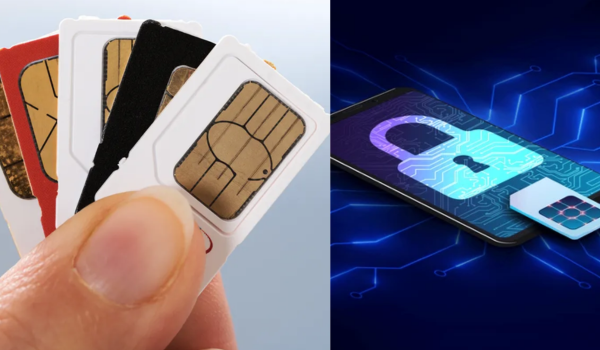
Understanding the Role of a SIM Card
A SIM card is one of the most essential components of a mobile phone, allowing users to connect to a cellular network for calls, text messages, and mobile data. Short for Subscriber Identity Module, a SIM card securely stores subscriber information and enables communication services provided by mobile network operators. Without a SIM card, most smartphones cannot access traditional mobile network services.
How a SIM Card Works
A SIM card contains a unique identification number that authenticates a user on a mobile network. When inserted into a compatible device, it communicates with nearby cellular towers to establish a secure connection. This process allows users to make voice calls, send SMS messages, and browse the internet using mobile data wherever network coverage is available.
Different Types of SIM Cards
Modern smartphones support several types of SIM cards, including Standard SIM, Micro SIM, Nano SIM, and eSIM. Nano SIM cards are commonly used in today’s smartphones because of their compact size, while eSIM technology is becoming increasingly popular as it allows users to activate mobile plans digitally without inserting a physical card. Each type offers the same basic functionality but differs in size and installation method.
Benefits of Using a SIM Card
A SIM card offers flexibility by allowing users to switch devices without changing their phone number or mobile plan. It also stores important subscriber information and provides secure authentication for mobile services. Travelers can easily use local SIM cards when visiting other countries to reduce roaming costs and enjoy affordable data plans.
Choosing the Right SIM Card
Selecting the right SIM card depends on your smartphone and communication needs. Before purchasing a SIM, users should confirm device compatibility, network coverage, internet speed, call quality, and available prepaid or postpaid plans. Choosing a reliable network provider ensures better connectivity and a smoother mobile experience.
eSIM Technology Is Changing Mobile Connectivity
eSIM technology eliminates the need for a physical SIM card by embedding the SIM directly into compatible devices. Users can activate or switch mobile plans digitally without replacing a card. This innovation offers greater convenience, especially for frequent travelers, business professionals, and users with multiple mobile numbers.
Keeping Your SIM Card Secure
Protecting your SIM card is essential for safeguarding your personal information and mobile account. Enabling a SIM PIN adds an extra layer of security, preventing unauthorized access if your phone is lost or stolen. It is also important to report a lost SIM card immediately so the mobile operator can block unauthorized usage.
Common SIM Card Issues and Solutions
Users may occasionally experience problems such as SIM card detection errors, network issues, or damaged SIM cards. Restarting the device, cleaning the SIM card carefully, reinserting it properly, or updating network settings often resolves minor problems. If issues continue, replacing the SIM card through the mobile operator is usually the best solution.
Mobile Networks and SIM Card Compatibility
Different mobile operators offer various network technologies, including 4G LTE and 5G connectivity. Ensuring that your SIM card and smartphone support the latest network standards allows users to experience faster internet speeds, improved voice quality, and more reliable connections. Upgrading to a newer SIM card may be necessary when switching to advanced network services.
Future Trends in SIM Technology
The future of SIM technology is moving toward digital solutions that provide greater convenience and flexibility. As eSIM adoption continues to grow, users can expect easier device activation, seamless network switching, and enhanced support for smartwatches, tablets, connected vehicles, and Internet of Things devices. These innovations are transforming how people stay connected across multiple devices.
Stay Connected with the Right SIM Card
A SIM card remains the foundation of modern mobile communication, enabling seamless connectivity for calls, messaging, and internet access. Whether you choose a traditional SIM card or the latest eSIM technology, selecting the right mobile network and maintaining proper security ensures a reliable communication experience. Understanding SIM card features and advancements helps users make informed decisions while enjoying fast, secure, and uninterrupted mobile connectivity.