Understanding the Importance of Pipes in Everyday Life
Pipes are an essential part of modern infrastructure and play a major role in transporting water, gases, chemicals, and other materials from one location to another. From homes and offices to factories and large industrial facilities, pipes help create efficient systems for daily operations. Without reliable piping systems, modern sanitation, water supply, agriculture, and industrial development would be much more difficult.
Different Types of Pipes Used Today
Many different types of pipes are available depending on the purpose and environment in which they are used. Common options include PVC pipes, CPVC pipes, steel pipes, copper pipes, HDPE pipes, and concrete pipes. Every material offers unique advantages, making it important to select the right type based on factors such as pressure, temperature, durability, and the material being transported.
PVC Pipes for Residential and Commercial Applications
PVC pipes have become extremely popular because they are lightweight, affordable, durable, and resistant to corrosion. They are widely used in residential plumbing, drainage systems, irrigation, and commercial construction projects. Their easy installation and long service life make PVC pipes a practical choice for many modern infrastructure applications.
The Role of Pipes in Water Supply Systems
Clean water supply systems depend heavily on high-quality pipes that can safely transport water over long distances. Pipes connect water sources, treatment facilities, storage tanks, and homes, helping communities receive a reliable supply of water. Properly designed piping systems also help reduce water loss and improve the overall efficiency of water distribution networks.
Pipes and Their Importance in Agriculture
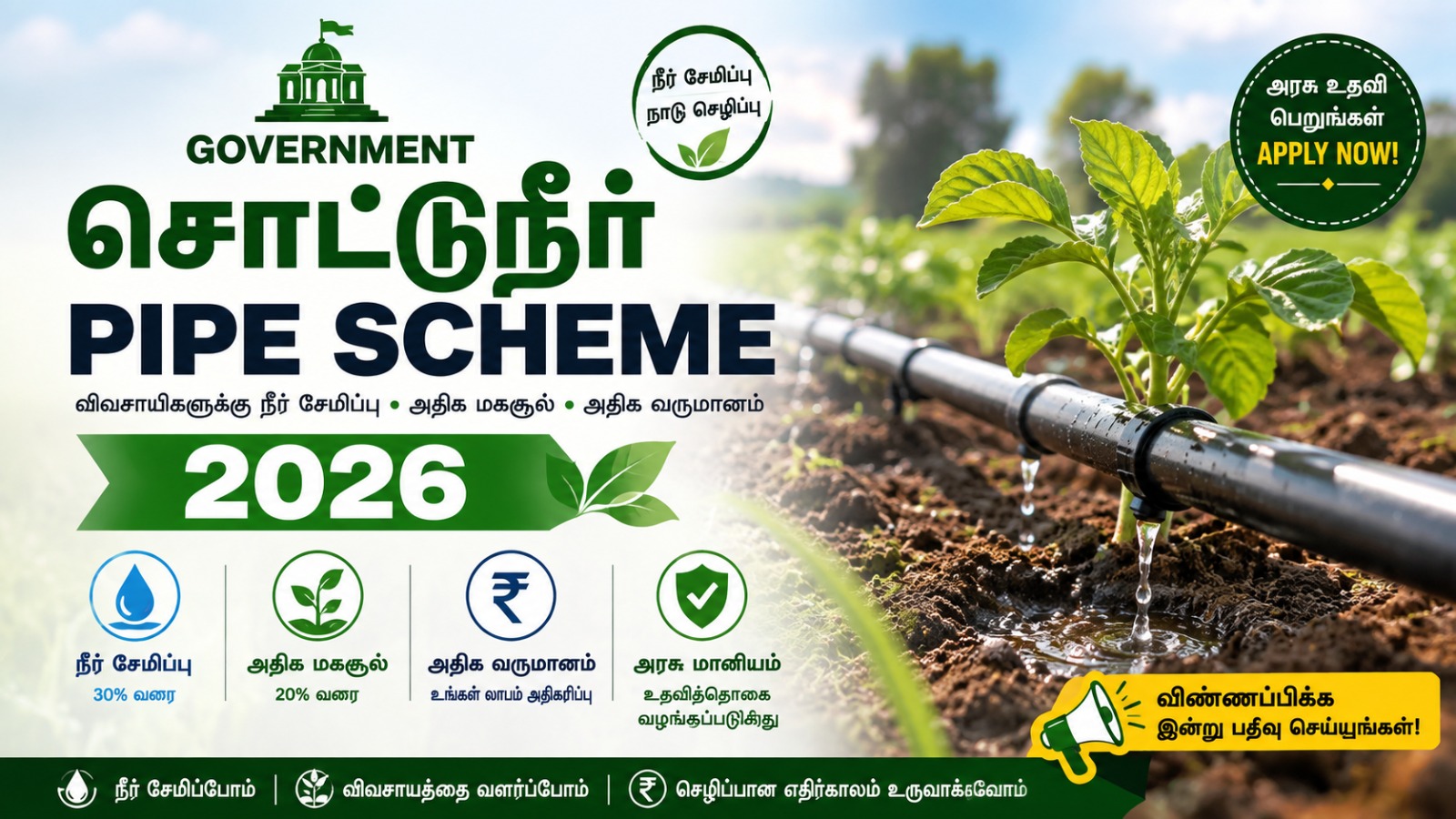
Agriculture is another major sector that depends on efficient pipe systems. Irrigation pipes help farmers transport water directly to agricultural fields and crops, reducing unnecessary water waste. Modern irrigation systems using durable pipes can improve water management and support healthier crop production, especially in areas where water resources need to be carefully controlled.
Industrial Uses of High-Quality Pipes
Industries use pipes for transporting liquids, gases, steam, chemicals, and other important materials. Manufacturing plants, power stations, oil facilities, and chemical industries require strong piping systems designed to handle demanding conditions. Choosing high-quality industrial pipes is important for maintaining safety, improving operational efficiency, and reducing the risk of leaks or equipment damage.
Durability and Maintenance of Modern Pipe Systems
The durability of a pipe depends on its material, installation quality, and operating conditions. Regular inspection and maintenance can help identify leaks, cracks, blockages, and corrosion before they become serious problems. Proper maintenance extends the lifespan of pipe systems and helps property owners and businesses avoid expensive repairs and water damage.
Choosing the Right Pipe for Your Project
Selecting the right pipe requires careful consideration of the project’s requirements. Factors such as the type of fluid being transported, pressure levels, temperature conditions, installation location, and budget can influence the final decision. Consulting experienced plumbing or construction professionals can help ensure that the selected pipe provides reliable performance for many years.
Environmental Benefits of Efficient Pipe Systems
Modern pipe technology can also contribute to better environmental management. High-quality pipes can reduce water leakage and help conserve valuable natural resources. Efficient irrigation and water distribution systems support sustainable development by improving water usage and reducing unnecessary waste in homes, businesses, and agricultural operations.
Innovations Transforming the Pipe Industry
The pipe industry continues to develop new materials and technologies to meet modern infrastructure demands. Advanced plastic materials, improved manufacturing techniques, and smart monitoring systems are helping create stronger and more efficient piping solutions. These innovations are improving safety, durability, and performance across residential, commercial, agricultural, and industrial sectors.
Why Pipes Will Continue to Shape Modern Infrastructure
Pipes will remain an important part of modern development because they support essential services that people depend on every day. From delivering clean water to supporting agriculture and industrial production, reliable piping systems help communities and businesses operate efficiently. As infrastructure continues to grow and technology advances, durable and sustainable pipe solutions will play an increasingly important role in building a better future.