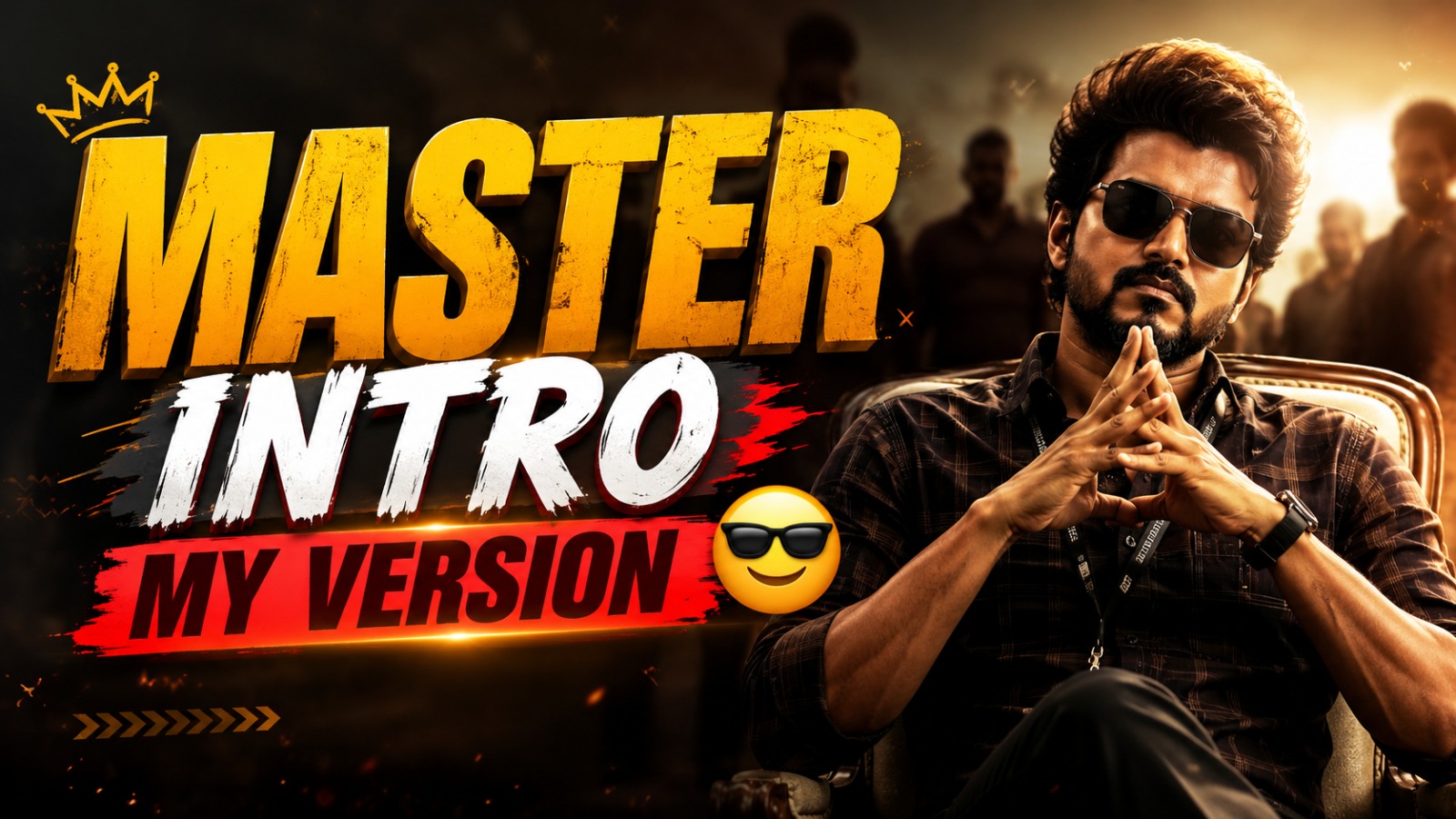
What Does It Mean to Be a Master?
Becoming a master is not simply about knowing everything about a subject. True mastery comes from consistent learning, practical experience, patience, and the ability to improve over time. Whether it is technology, education, business, photography, gaming, fitness, or any creative skill, mastery requires dedication and a willingness to learn from mistakes. A master understands the basics deeply and gradually develops the confidence to handle advanced challenges.
The Importance of Learning the Fundamentals
Every successful master begins with strong fundamentals. Before exploring advanced techniques, it is important to understand the basic principles of the chosen subject. A strong foundation makes learning easier and helps prevent repeated mistakes. Spending time practicing the basics may seem slow initially, but it creates the knowledge and confidence needed for long-term success.
Practice Is the Key to Mastery
Regular practice is one of the most important parts of becoming a master. Reading information can provide knowledge, but practical experience turns that knowledge into a real skill. Consistent practice allows people to identify weaknesses, improve their techniques, and become more comfortable with challenging situations. Even a small amount of focused practice every day can produce impressive results over time.
Learning From Mistakes
Mistakes are an essential part of the mastery process. Instead of treating failure as a reason to stop, successful learners use mistakes as valuable feedback. Understanding what went wrong makes it possible to change strategies and improve future performance. Every mistake can provide a lesson that moves a person closer to becoming highly skilled.
Developing a Growth Mindset
A growth mindset plays an important role in achieving mastery. People who believe their abilities can improve through effort are more likely to continue learning when challenges appear. They do not expect instant perfection and understand that progress takes time. This mindset encourages curiosity, patience, experimentation, and continuous personal development.
The Role of Consistency
Consistency often matters more than short periods of intense effort. Someone who practices regularly can gradually build knowledge and experience without becoming overwhelmed. Creating a realistic routine makes learning easier to maintain for months or even years. Over time, consistent effort can transform an ordinary beginner into a confident and capable expert.
Using Technology to Improve Skills
Modern technology provides many opportunities for people who want to master a new skill. Online courses, educational platforms, tutorials, digital tools, AI applications, and practice software can make learning faster and more accessible. Choosing the right resources can help learners understand difficult concepts, experiment with new ideas, and receive useful feedback.
Learning From Experts
Studying the work of experienced professionals can accelerate the learning process. Experts often provide practical knowledge that cannot be easily discovered through textbooks alone. Observing how skilled people approach problems, make decisions, and improve their work can reveal valuable techniques. At the same time, learners should develop their own style rather than simply copying others.
Patience Creates Long-Term Progress
Mastery rarely happens overnight. It is usually the result of hundreds or thousands of small improvements made over a long period. Patience helps learners remain focused when progress appears slow. Instead of comparing their journey with someone else’s success, they can concentrate on becoming better than they were yesterday.
Turning Knowledge Into Real-World Results
True mastery becomes visible when knowledge can be applied effectively in real situations. A person may understand theories perfectly but still need practical experience to solve unpredictable problems. Applying skills to projects, challenges, work, or creative activities builds confidence and demonstrates genuine understanding. Real-world experience is therefore an essential part of becoming a master.
Prompt;
Edit the uploaded video by changing ONLY the facial appearance of the MAIN MALE SUBJECT WEARING THE BROWN CHECKERED SHIRT. FACE ONLY: Use the uploaded 3-angle reference image as the facial reference for the subject. Replace only the visible facial features with the facial appearance shown in the reference image. DO NOT CHANGE ANYTHING ELSE. Keep the original video subject’s: – brown checkered shirt exactly unchanged – original shirt color exactly unchanged – original pants exactly unchanged – original sunglasses exactly unchanged – original hairstyle and hair exactly unchanged – original body, physique, and proportions exactly unchanged – original skin/body appearance outside the face unchanged – original pose, movements, gestures, and acting exactly unchanged The reference image must NOT be used to change the clothing, hairstyle, body, sunglasses, or any other part of the subject. The ONLY modification should be the FACE. Keep the original brown shirt and pants exactly as they appear in the source video. Do not recolor, replace, redesign, or modify the clothing in any way. Keep the ORIGINAL HAIRSTYLE from the video. Do not copy the hairstyle from the reference image and do not modify the hair. Keep the ORIGINAL SUNGLASSES from the video. Do not replace, remove, recolor, resize, or redesign the sunglasses. The new facial appearance should naturally fit the original subject’s existing head position, body structure, perspective, lighting, facial expressions, and movement. Use the reference image only to guide the facial features and appearance. Adapt the face naturally to the original video rather than transferring anything else from the reference image.Preserve the entire original video exactly: – same body – same clothing – same colors – same sunglasses – same hairstyle – same movements – same gestures – same camera movement – same framing – same background – same vehicles – same background people – same lighting – same shadows – same depth of field – same color grading – same motion blur – same timing Maintain a stable and natural facial appearance throughout every frame, including headmovement, changing angles, sunglasses coverage, occlusion, and motion blur. Do not create facial distortion, flickering, morphing, warped features, double facial features, unnatural edges, or inconsistent facial appearance. FINAL INSTRUCTION: FACE ONLY – NOTHING ELSE. The final video must look exactly like the original video, with the same brown-shirt person, same clothes, same hairstyle, same sunglasses, same body, same action, and same environment, with ONLY the facial appearance changed according to the uploaded reference image.
The Journey Toward Mastery Never Ends
Mastery is not a final destination because there is always something new to discover. Even highly experienced professionals continue learning, adapting, and improving as technology and ideas change. The most successful masters remain curious throughout their journey. By combining knowledge, practice, consistency, patience, and continuous learning, anyone can move closer to mastering the skill they truly care about.