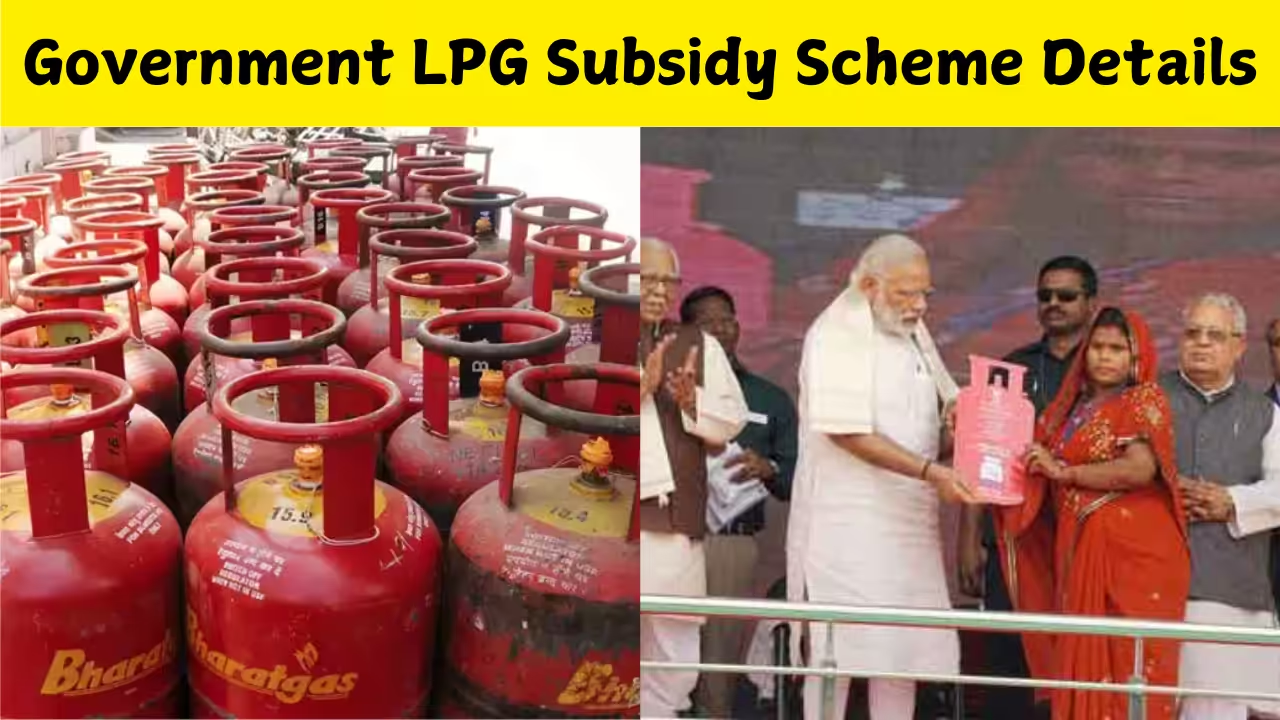
Introduction to the LPG Subsidy Scheme
The Government LPG Subsidy Scheme is a major welfare initiative designed to make clean cooking fuel accessible and affordable to households across the country. LPG, being a cleaner alternative to firewood and kerosene, plays an important role in improving health, reducing pollution, and promoting a better quality of life. To support low-income families, the government provides financial assistance directly into the beneficiary’s bank account through the Direct Benefit Transfer system.
Purpose of the Subsidy Scheme
The main purpose of the LPG subsidy scheme is to reduce the financial burden on economically weaker households. By offering a subsidised rate for LPG cylinders, the government ensures that every family can cook safely and efficiently. This initiative also aims to encourage people to shift from traditional cooking fuels to modern, cleaner options which benefit both health and the environment.
How the Subsidy Works
Under the DBT system, beneficiaries pay the full market price while booking an LPG cylinder. After the delivery is completed, the subsidy amount is transferred to the user’s registered bank account. The subsidy amount may vary depending on government regulations, market price, and state-level taxes. The process helps maintain transparency and ensures that the benefit reaches the rightful user without middlemen.
Eligibility Criteria for Beneficiaries
To receive the LPG subsidy, a household must have an active LPG connection under any authorised distributor. The beneficiary must link their Aadhaar number with their LPG connection as well as their bank account. Individuals with high income are usually not eligible for subsidy benefits, as the scheme is especially targeted at families with limited financial resources. Aadhaar-based authentication ensures that one household receives only one subsidy benefit.
Documents Required to Receive Subsidy
Applicants must submit their Aadhaar card, bank passbook details, LPG consumer number, and registered mobile number for verification. Once all documents are submitted, the details are verified by the distributor and the bank before activating the subsidy transfer. Ensuring accurate documentation helps avoid delays in receiving financial support. Linking Aadhaar with an LPG connection is an important step for receiving the subsidy. Users can visit their LPG distributor’s office and submit a form along with their Aadhaar card. They can also complete the process online through the official portal of their LPG company. After the linking request is processed, the details are updated in the central database, enabling smooth DBT transfers.
Bank Account Linking for DBT
A bank account linking process is essential for the subsidy amount to be received directly. Beneficiaries need to submit their Aadhaar number to their bank branch or update it through internet banking if available. Once the bank verifies the details, the account becomes eligible for receiving government subsidies. Keeping the bank account active ensures uninterrupted benefits.
Checking LPG Subsidy Status Online
The government provides an online facility for checking subsidy status. Users can visit the official website of their LPG provider, enter their registered mobile number or consumer number, and view the status of their past subsidy deposits. This transparency helps users confirm whether the subsidy has been credited and also informs them about any delays or failures.
Troubleshooting Common Issues
Sometimes, a beneficiary may not receive the subsidy due to incorrect bank details, Aadhaar mismatch, or inactive bank accounts. In such cases, users must verify their information with their distributor and bank. Updating Aadhaar or correcting bank details usually resolves the issue. Calling the customer support helpline of the LPG provider can also help track the exact problem.
Benefits of the LPG Subsidy Scheme
The LPG subsidy plays a major role in reducing household expenses, especially for low-income families. It promotes the use of clean cooking fuel which leads to healthier living conditions. The scheme also strengthens the nation’s energy security by increasing the adoption of LPG at the domestic level. The transparent digital payment system prevents misuse and ensures that genuine users get the benefits.
Role of Pradhan Mantri Ujjwala Yojana
The Pradhan Mantri Ujjwala Yojana is an important part of the LPG subsidy initiative, aimed at empowering rural women by providing a free LPG connection. The scheme encourages families to adopt LPG cylinders and stop using unhealthy traditional fuels. Under this initiative, millions of families have already benefited, leading to cleaner kitchens and better overall health.
Check Subsidy
Impact on Rural and Urban Areas
The LPG subsidy scheme has significantly transformed cooking habits in both rural and urban regions. In rural areas, where firewood and coal were widely used, LPG has become a convenient and cleaner alternative. In urban households, it helps maintain affordability amid rising fuel prices. The scheme bridges the gap between modern and traditional cooking methods across the country.
Government Monitoring and Reforms
The government regularly reviews the LPG subsidy structure to ensure efficient distribution and prevent misuse. Technological improvements, Aadhaar integration, and bank verification have enhanced the transparency of the system. Over time, several reforms have been introduced to make the process user-friendly and corruption-free. As the number of LPG users grows, the government aims to further strengthen the subsidy distribution process. Digital platforms, mobile apps, and automated systems are expected to simplify booking, tracking, and receiving subsidies. The future focus is on making LPG accessible to every household while keeping the support affordable and sustainable.
The Government LPG Subsidy Scheme remains one of the most impactful welfare initiatives for Indian households. By offering financial support and encouraging clean cooking practices, it improves health, reduces pollution, and promotes a better standard of living. With technological advancements and continued reforms, the scheme is expected to grow stronger and reach more families across the nation.