Introduction to Aadhaar
Aadhaar is a unique identification system launched by the Government of India to provide every resident with a single, digital identity number. It is a 12-digit number issued by the Unique Identification Authority of India (UIDAI) and serves as a reliable proof of identity and address across the country. Over the years, Aadhaar has become an essential part of accessing various government and private services.
Purpose of Aadhaar
The main purpose of Aadhaar is to create a unified identification system that eliminates duplicate and fake identities. It aims to streamline service delivery, reduce corruption and make it easier for residents to access benefits and facilities. Aadhaar also supports digital initiatives by helping people authenticate themselves through simple verification methods.
Features of Aadhaar
Aadhaar provides a unique digital identity that is linked to biometric and demographic details. The biometric information includes fingerprints, iris scans and facial photographs, ensuring that every Aadhaar holder has a unique profile. This makes the system highly secure and difficult to forge. The demographic details include name, date of birth, address and gender.
Aadhaar Enrolment Process
Applying for Aadhaar is a simple and free process. Residents need to visit an authorized Aadhaar enrolment center and submit basic documents such as proof of identity and proof of address. After document verification, biometric data is collected. Once the enrolment is completed, the data is processed, and the Aadhaar number is issued. The Aadhaar card can later be downloaded online and printed if needed.
Importance of Aadhaar in Everyday Life
Aadhaar plays a significant role in daily life by enabling easy access to government schemes, subsidies and welfare benefits. Many services such as bank account opening, SIM card verification and income tax e-filing have become simpler with Aadhaar authentication. It also supports digital payments and financial inclusion in rural areas.
Aadhaar and Digital India
Aadhaar has been a key part of the Digital India initiative. It helps verify identity online within seconds, improving the efficiency of digital services. Aadhaar-linked payment systems, e-KYC verification and online authentication have made transactions smoother and more accessible. This strengthens India’s move toward a digital economy.
Security and Privacy Concerns
Although Aadhaar is designed with strong security measures, there have been discussions about data privacy and protection. UIDAI ensures secure storage and encryption of all information. Users are encouraged to keep their Aadhaar details confidential and use virtual IDs for online services to avoid misuse.
Updating Aadhaar Details
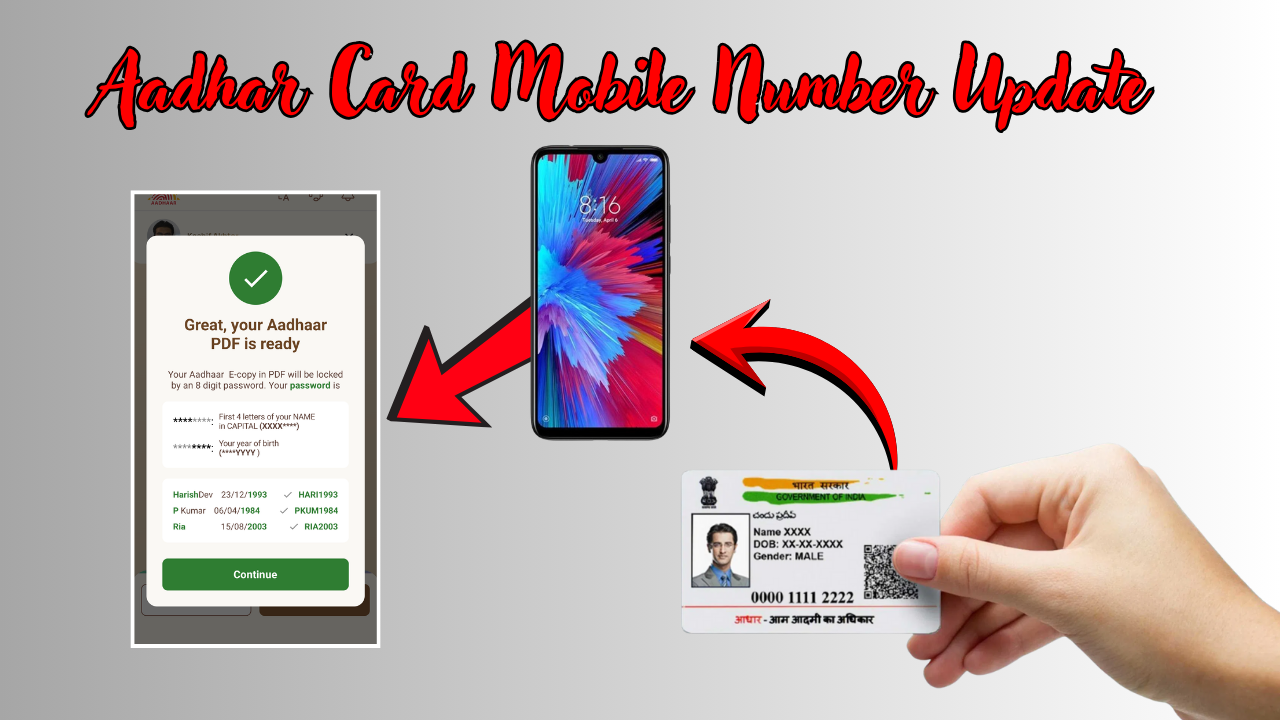
Residents can update their Aadhaar information if there are any changes in address, mobile number or personal details. These updates can be done online or by visiting an enrolment center. Updating ensures that the Aadhaar database remains accurate and that individuals can continue using Aadhaar-based services without issues.
Aadhaar for Children
Aadhaar enrolment is also available for children. For children below five years, only demographic details and a photograph are collected. Once they turn five and later fifteen, biometric updates are required. This helps maintain a valid, updated identity for the child throughout different stages of life.
Aadhaar’s Role in Welfare Schemes
Many government welfare programs rely on Aadhaar to ensure benefits reach the right people. Schemes such as LPG subsidy, pension programs, scholarship disbursement and ration services use Aadhaar-based authentication to prevent duplication and ensure transparency.
Conclusion
Aadhaar has transformed India’s identification system with its digital, secure and universally accepted approach. It has made services more efficient and accessible while supporting the country’s digital growth. As Aadhaar continues to evolve, it remains one of the most important tools in modern India’s administrative and technology landscape.