Introduction to the Digital Economy and Women’s Role
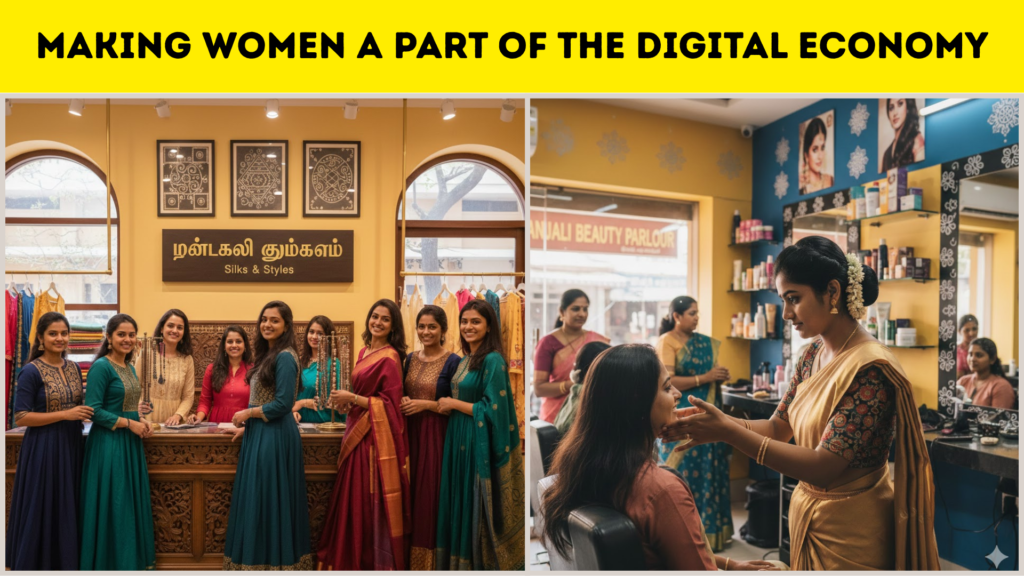
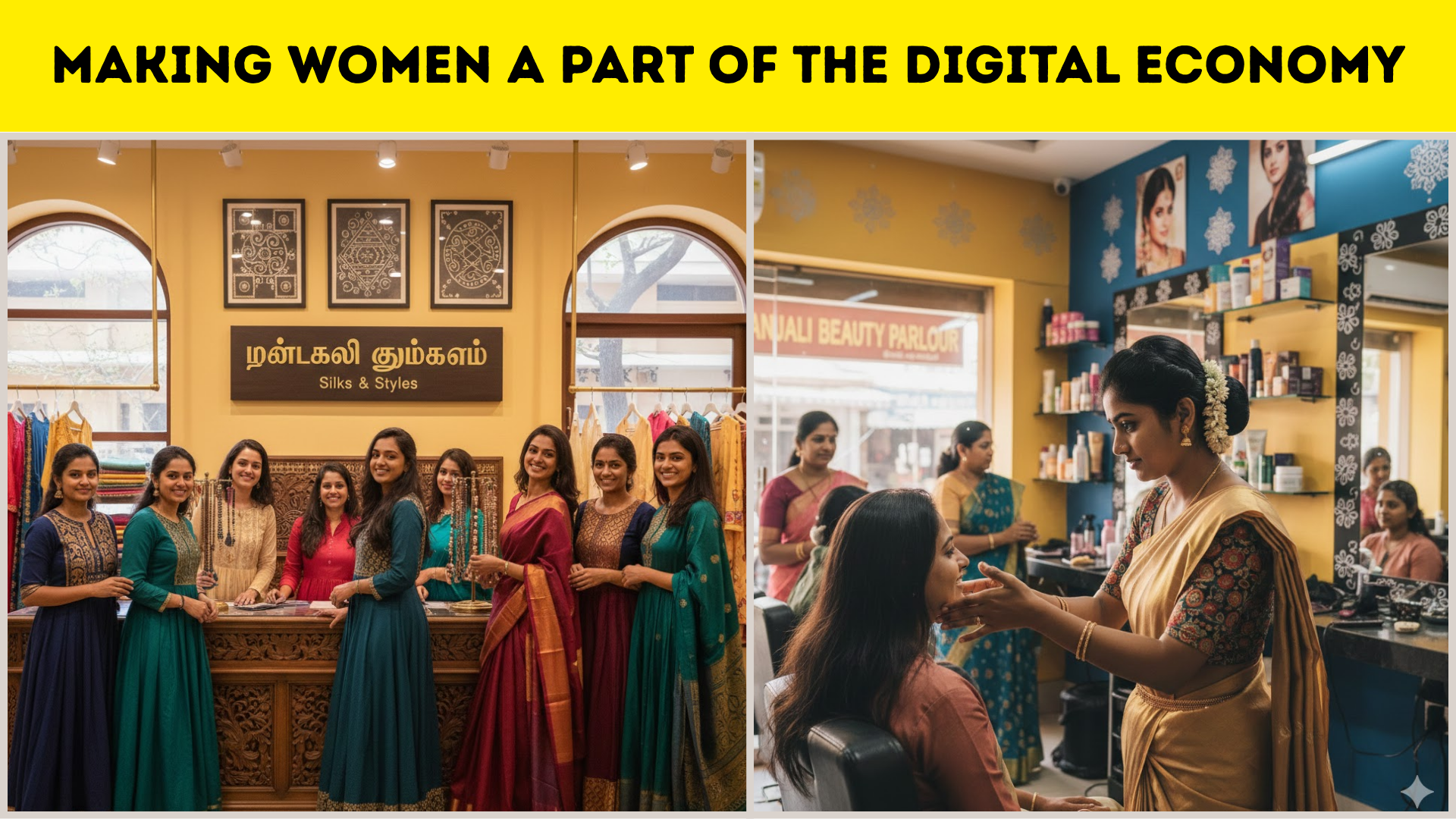
The digital economy is transforming the way the world works, creates value, and earns income. From online businesses and remote jobs to digital payments and global marketplaces, technology is opening doors that were unimaginable a few decades ago. However, despite this rapid growth, women’s participation in the digital economy remains uneven. Making women an active part of the digital economy is not just a matter of equality but a necessity for inclusive economic growth and sustainable development.
Understanding the Digital Gender Gap
The digital gender gap refers to the unequal access of women and men to digital tools, internet connectivity, and digital skills. In many regions, women are less likely to own smartphones, have internet access, or receive technical education. This gap limits their ability to benefit from online opportunities such as e-commerce, freelancing, digital banking, and remote employment. Closing this gap is essential to ensure that women are not left behind in the digital transformation era.
Importance of Women’s Participation in the Digital Economy
When women participate in the digital economy, families, communities, and national economies benefit. Women’s digital inclusion leads to higher household incomes, improved education outcomes for children, and better financial decision-making. On a larger scale, increased female participation boosts productivity, innovation, and economic resilience. Empowering women digitally creates a ripple effect that accelerates social and economic progress.
Digital Skills as the Foundation of Empowerment
Digital skills are the backbone of women’s inclusion in the digital economy. Basic skills such as using smartphones, navigating the internet, and accessing digital services are the first step. Advanced skills like coding, data analysis, digital marketing, and cybersecurity open doors to high-paying and future-ready jobs. Providing affordable and accessible digital training programs for women can significantly enhance their employability and confidence.
Role of Education and Online Learning Platforms
Education plays a crucial role in preparing women for the digital economy. Online learning platforms have made it easier for women to acquire new skills from home, especially for those balancing work and family responsibilities. Digital education removes geographical barriers and allows women from rural and underserved areas to access quality learning resources. Encouraging girls to pursue STEM education also helps build a strong foundation for long-term digital participation.
Women Entrepreneurship in the Digital Space
The digital economy offers immense opportunities for women entrepreneurs. Online businesses, social media marketing, and digital marketplaces allow women to start and scale ventures with minimal investment. Many women are successfully running home-based businesses by selling products and services online. Supporting women-led digital startups through mentorship, funding, and policy support can further strengthen their presence in the digital marketplace.
Financial Inclusion Through Digital Technologies
Digital financial services are transforming how women manage money. Mobile banking, digital wallets, and online payment systems provide women with secure and independent access to financial resources. This financial inclusion reduces dependency, increases savings, and enables women to invest in education and businesses. Ensuring that women are digitally literate helps them use these financial tools safely and effectively.
Role of Government and Policy Support
Government initiatives play a vital role in integrating women into the digital economy. Policies that promote affordable internet access, digital literacy programs, and women-focused skill development schemes can create lasting impact. Public-private partnerships can further accelerate digital inclusion by bringing technology, training, and resources closer to women in both urban and rural areas.
Challenges Faced by Women in the Digital Economy
Despite progress, women still face challenges such as lack of access to technology, societal norms, online safety concerns, and limited professional networks. Cyber harassment and data privacy issues also discourage many women from engaging online. Addressing these challenges requires strong legal frameworks, awareness programs, and supportive digital environments that prioritize women’s safety and well-being. The future of the digital economy depends on inclusive participation. As technology continues to evolve, women must be active contributors, leaders, and innovators in the digital space. With the right mix of education, skills, policy support, and cultural change, women can play a transformative role in shaping the digital future. Making women a part of the digital economy is not just an opportunity but a responsibility for a more balanced and prosperous world.