What Is a Normal Photo to 4K HD Converter?
A normal photo to 4K HD converter is a digital tool that upgrades low-resolution or standard images into ultra-high-definition quality. Instead of just enlarging the photo, it improves sharpness, clarity, and visual details so the image looks suitable for modern 4K displays. These converters are widely used by photographers, designers, and everyday users who want clearer and more professional-looking images.
Why Image Quality Matters Today
With the rise of high-resolution screens, low-quality images look blurry and outdated. Smartphones, TVs, and monitors now support 4K resolution, which means images must have more pixels to appear sharp. Converting normal photos to 4K helps maintain visual quality and ensures images look crisp on all modern devices.
Role of Artificial Intelligence in Photo Conversion
Most modern 4K converters use artificial intelligence to enhance images. AI studies patterns, textures, and edges in the original photo and intelligently adds missing details. This technology allows the image to be enlarged without losing clarity, making the final result look more natural than traditional resizing methods.
How the Conversion Process Works
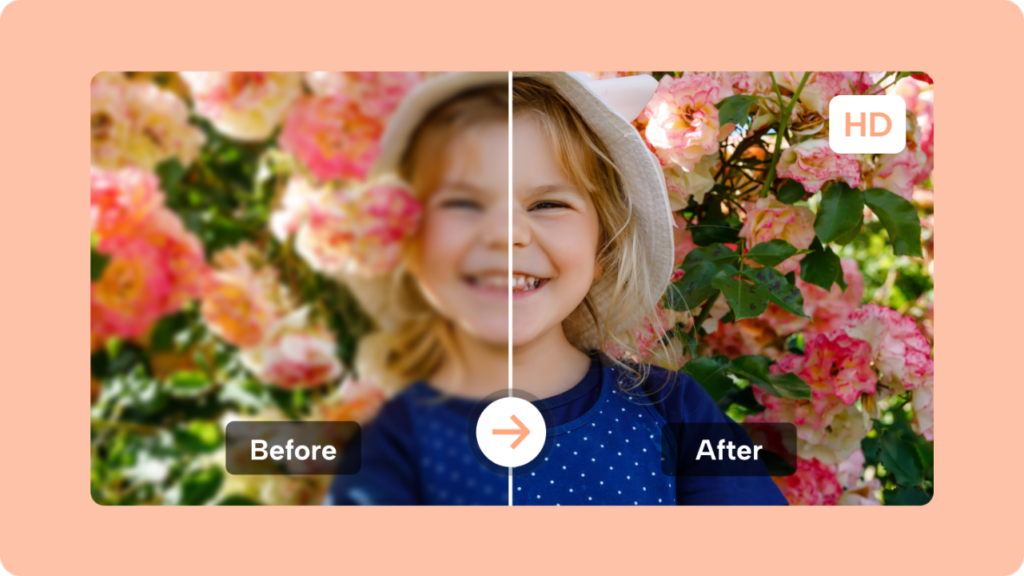
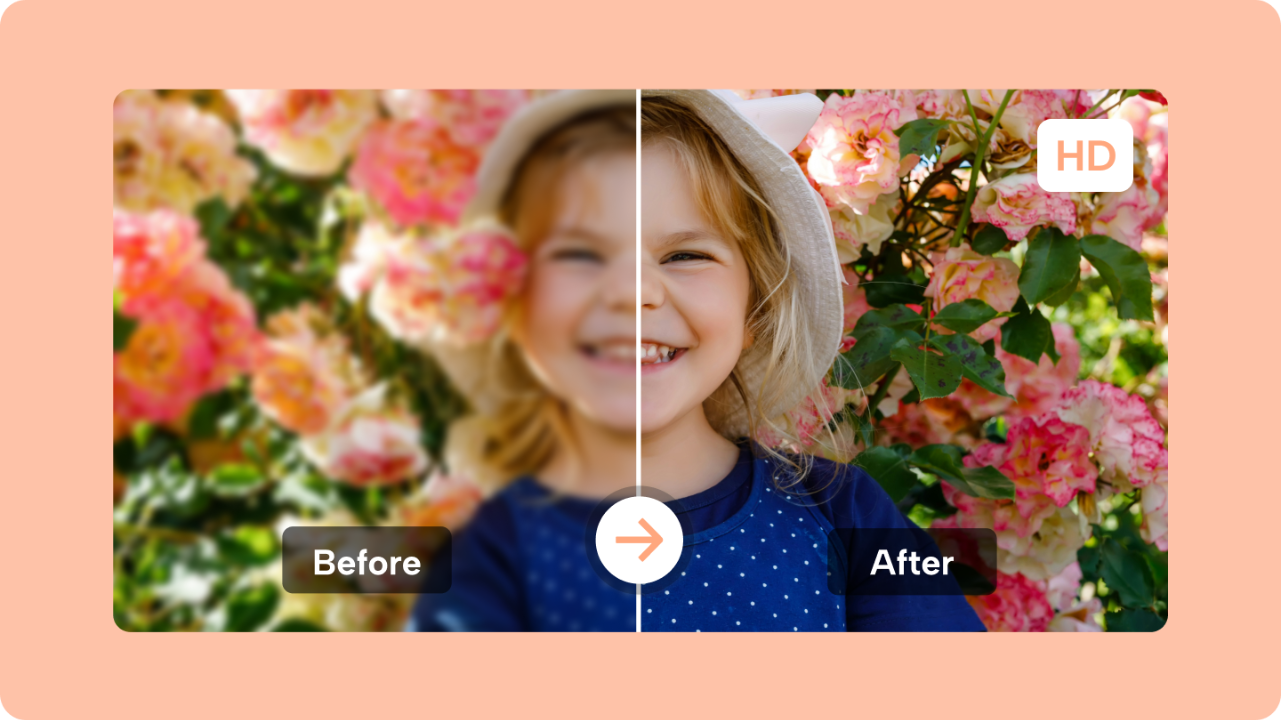
The conversion process starts by analyzing the original photo’s resolution and structure. The system then predicts how the image should appear at a higher resolution and generates additional pixels accordingly. This process improves fine details such as facial features, object edges, and background textures while keeping colors balanced.
Difference Between Resizing and True Upscaling
Resizing simply stretches an image, which often leads to pixelation and blur. True upscaling, however, recreates details by generating new pixels based on image data. This is why 4K converters produce much better results compared to basic zoom or resize tools.
Use Cases for 4K Photo Conversion
Photo conversion to 4K is useful in many situations. Old photos can be restored and enhanced for printing. Product images can be upgraded for online stores. Social media creators can improve image quality for better engagement. Designers also use 4K images for banners, posters, and digital art.
Noise Reduction and Image Clarity
Low-resolution photos often contain noise, especially images taken in poor lighting. A good 4K converter reduces this noise while sharpening important elements. This balance between smoothness and detail makes the final image look clean and professional.
Supported Image Types and Flexibility
Most photo converters support common image formats like JPG and PNG. They are designed to work on different devices, including computers and mobile phones. This flexibility makes it easy for users to convert images anytime without technical expertise.
Limitations of Photo Conversion
Although 4K converters significantly improve image quality, they cannot recover details that were never captured. Extremely blurred or very small images may still have limitations. The final output quality always depends on how clear the original photo is.
Benefits of Converting Photos to 4K
4K images provide better visual impact, sharper prints, and improved presentation quality. They look more realistic and professional, making them ideal for both personal and commercial use. High-resolution photos also future-proof your content for upcoming display technologies.

Prompt:
Enhance the portrait while strictly preserving the subject’s identity with accurate facial geometry. Do not change their expression or face shape. Only allow subtle feature cleanup without altering who they are.Keep the exact same background from the reference image. No replacements, no changes, no new objects, no layout shifts. The environment must look identical.The image must be recreated as if it was shot on a Sony A1, using an 85mm f1.4 lens, at f1.6, ISO 100, 1/200 shutter speed, cinematic shallow depth of field, perfect facial focus, and an editorial-neutral color profile.This Sony A1 + 85mm f1.4 setup is mandatory. The final image must clearly look like premium full-frame Sony A1 quality.Lighting must match the exact direction, angle, and mood of the reference photo. Upgrade the lighting into a cinematic, subject-focused style: soft directional light, warm highlights, cool shadows, deeper contrast, expanded dynamic range, micro-contrast boost, smooth gradations, and zero harsh shadows.Maintain neutral premium color tone, cinematic contrast curve, natural saturation, real skin texture (not plastic), and subtle film grain. No fake glow, no runway lighting, no oversmoothing.Render in 4K resolution, 10-bit color, cinematic editorial style, premium clarity, portrait crop, and keep the original environmental vibe untouched.Re-render the subject with improved realism, depth, texture, and lighting while keeping identity and background fully.
Future of Photo Enhancement Technology
Image enhancement technology continues to evolve rapidly. Future converters will likely produce even more realistic results with faster processing speeds. As AI models improve, converting normal photos into stunning 4K images will become even easier and more accurate.