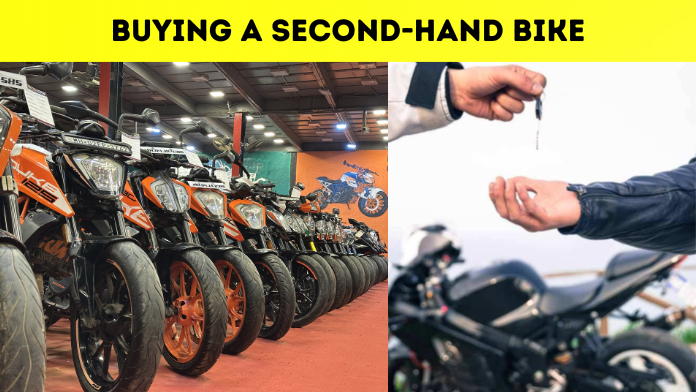
Why Second-Hand Bikes Are Becoming Popular
Buying a second-hand bike has become an increasingly popular choice among students, working professionals, and first-time riders. With rising vehicle prices, many people prefer pre-owned motorcycles because they offer excellent value for money. A well-maintained used bike can provide the same performance and reliability as a new one while costing significantly less.
Understanding the Benefits of Buying a Used Bike
One of the biggest advantages of purchasing a second-hand bike is affordability. Buyers can often find premium models at a fraction of their original price. Additionally, depreciation affects new bikes the most during the first few years, meaning used bike owners avoid the steep loss in value that occurs immediately after purchasing a new vehicle.
Setting a Realistic Budget
Before searching for a second-hand bike, it is important to determine your budget. Consider not only the purchase price but also additional expenses such as insurance transfer, registration fees, servicing costs, and potential repairs. Having a clear budget helps narrow down your options and prevents overspending.
Choosing the Right Bike Model
Selecting the right bike depends on your daily needs and riding style. Commuters may prefer fuel-efficient models, while enthusiasts might look for performance-oriented motorcycles. Researching different models and their maintenance costs can help you make an informed decision before finalizing a purchase.
Checking the Bike’s Condition
A thorough inspection is essential when buying a used bike. Examine the engine, brakes, tires, suspension, lights, and battery. Look for signs of rust, oil leaks, unusual noises, or accident damage. A bike that appears well-maintained is more likely to offer reliable performance and lower maintenance costs.
Verifying Important Documents
Proper documentation is crucial when purchasing a second-hand motorcycle. Ensure that the Registration Certificate (RC), insurance policy, Pollution Under Control (PUC) certificate, and service records are available. Verify that the engine and chassis numbers match the details listed in the registration documents.
Reviewing Service and Maintenance History
A complete service history provides valuable insight into how well the bike has been maintained. Regular servicing indicates responsible ownership and can reduce the risk of unexpected mechanical issues. Maintenance records also help identify any major repairs or replacements performed in the past.
Taking a Test Ride
A test ride is one of the most important steps in the buying process. It allows you to evaluate engine performance, braking efficiency, gear shifting, suspension comfort, and overall handling. Pay attention to vibrations, unusual sounds, and any signs of mechanical problems during the ride.
Negotiating the Price Effectively
Most second-hand bike sellers expect some negotiation. Research the market value of similar models before discussing the price. Factors such as age, mileage, condition, and maintenance history can help justify a fair offer and potentially save you a significant amount of money.
Completing Ownership Transfer
Once the deal is finalized, the ownership transfer process should be completed promptly. Ensure that all necessary forms are submitted to the Regional Transport Office (RTO) and that the insurance policy is transferred to your name. Proper ownership transfer protects both the buyer and seller from future legal complications.
Site 1
Site 2
Site 3
Site 4
Making a Smart and Safe Purchase
Buying a second-hand bike can be a practical and economical decision when approached carefully. By inspecting the vehicle thoroughly, verifying documents, reviewing maintenance records, and completing the ownership transfer process, buyers can enjoy reliable transportation while saving money. A carefully chosen used bike can deliver years of dependable performance and riding enjoyment.