Introduction
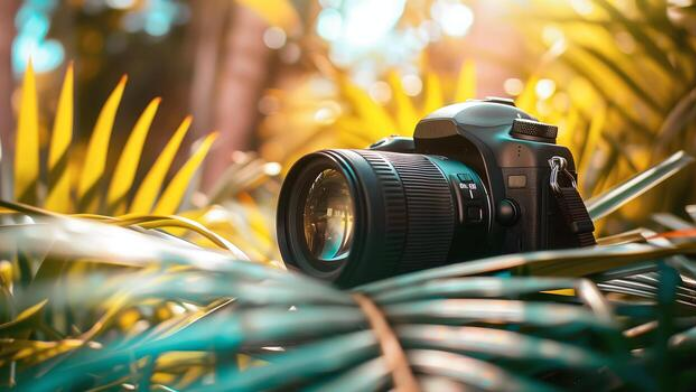
A DSLR camera remains one of the most popular choices for photography enthusiasts and professionals who want exceptional image quality and creative control. Known for its interchangeable lenses, large image sensor, and advanced manual settings, a DSLR allows photographers to capture stunning photos in a wide range of lighting conditions. Whether you are interested in portraits, landscapes, wildlife, sports, or commercial photography, a DSLR camera provides the flexibility and performance needed to turn creative ideas into impressive images.
What Is a DSLR Camera?
A DSLR, or Digital Single-Lens Reflex camera, uses a mirror mechanism that reflects light from the lens into an optical viewfinder, allowing photographers to see exactly what the lens captures. When the shutter button is pressed, the mirror flips up, exposing the image sensor to record the photograph. This design delivers accurate framing, fast autofocus, and outstanding image quality, making DSLR cameras a trusted choice for photographers worldwide.
Key Features of DSLR Cameras
Modern DSLR cameras include powerful features designed to improve both photography and videography. High-resolution image sensors produce detailed photos, while fast autofocus systems ensure sharp focus on moving subjects. Manual controls for shutter speed, aperture, and ISO provide complete creative freedom. Many DSLR models also offer continuous shooting, Full HD or 4K video recording, wireless connectivity, touchscreen displays, and weather-sealed bodies for reliable performance in various environments.
Benefits of Using a DSLR Camera
One of the greatest advantages of a DSLR camera is its superior image quality compared to most compact cameras and many smartphones. The larger sensor captures more light, resulting in sharper images, improved dynamic range, and reduced noise in low-light situations. Interchangeable lenses expand creative possibilities, allowing photographers to switch between wide-angle, telephoto, macro, and portrait lenses depending on the subject and shooting conditions.
DSLR Lenses and Their Importance
Lenses are one of the most valuable components of any DSLR camera system. A standard lens is suitable for everyday photography, while wide-angle lenses capture expansive landscapes and architecture. Telephoto lenses bring distant subjects closer, making them ideal for wildlife and sports photography. Macro lenses reveal intricate details in flowers and insects, while prime lenses with wide apertures create beautiful background blur and excellent low-light performance.
DSLR Cameras for Beginners
Many DSLR cameras are designed specifically for beginners who want to learn photography without feeling overwhelmed. Entry-level models include user-friendly interfaces, guided shooting modes, and automatic settings that simplify the learning process. As photographers gain confidence, they can gradually explore manual controls to understand exposure, composition, and lighting techniques that produce more creative and professional-looking images.
DSLR Cameras for Professional Photography
Professional photographers rely on DSLR cameras because of their speed, durability, and consistent performance. High-end models feature advanced autofocus tracking, large image buffers, dual memory card slots, and robust weather sealing. These capabilities allow professionals to photograph weddings, sports events, wildlife, fashion, and commercial projects with reliability and precision, even in demanding environments.
Tips for Taking Better Photos with a DSLR
Mastering a DSLR camera requires practice and an understanding of photography fundamentals. Learning the exposure triangle, including aperture, shutter speed, and ISO, helps photographers control brightness and artistic effects. Good composition, natural lighting, proper focusing, and thoughtful framing contribute to visually appealing images. Regular practice and experimenting with different camera settings build confidence and improve overall photography skills.
Choosing the Right DSLR Camera
Selecting the right DSLR camera depends on personal needs, budget, and photography goals. Beginners may prioritize affordability and ease of use, while experienced photographers often seek advanced autofocus systems, higher resolution, and faster continuous shooting speeds. Battery life, lens compatibility, ergonomics, and video recording capabilities are also important factors to consider before making a purchase.
The Future of DSLR Photography
Although mirrorless cameras continue to gain popularity, DSLR cameras remain highly respected for their reliability, optical viewfinders, and extensive lens ecosystems. Many photographers continue to prefer DSLRs because they offer excellent battery life, comfortable handling, and proven performance across various photography genres. As technology evolves, DSLR cameras continue to produce exceptional results and remain valuable tools for creative professionals and passionate hobbyists alike.
Conclusion
A DSLR camera is an outstanding investment for anyone who wants to elevate their photography beyond basic snapshots. With exceptional image quality, interchangeable lenses, advanced controls, and reliable performance, DSLRs provide endless opportunities for creativity and skill development. Whether you are capturing unforgettable family moments, breathtaking landscapes, exciting sporting events, or professional assignments, a DSLR camera offers the versatility and precision needed to create stunning photographs that stand the test of time.