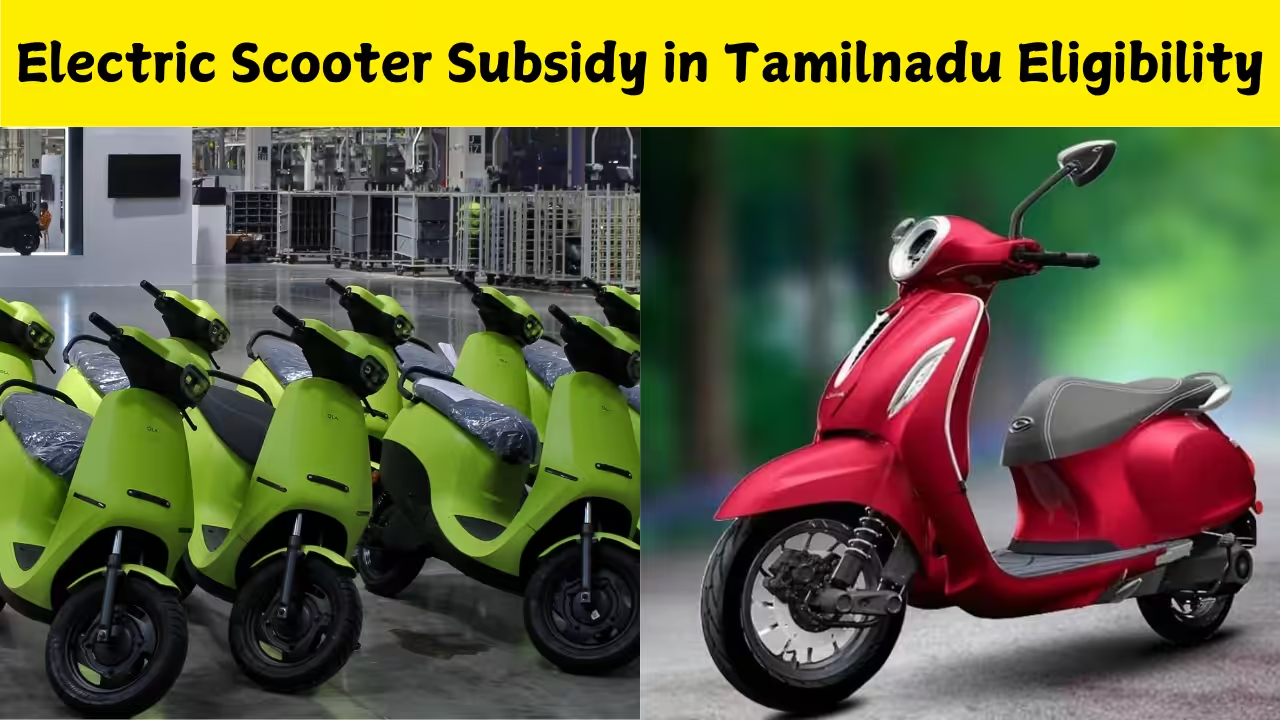
Introduction in Scooty
In recent years, the shift to electric mobility has gathered momentum across India and especially in states like Tamil Nadu. With rising fuel costs, environmental concerns and changing urban transport needs, the state government has rolled out a subsidy scheme to encourage adoption of electric scooters by certain categories of users. This article takes you through what the subsidy is, who qualifies for it, how to apply and some practical considerations.
What is the electric scooter subsidy in Tamil Nadu?
The government of Tamil Nadu has announced a subsidy of ₹20,000 for eligible individuals who buy an electric scooter. The subsidy is aimed at supporting gig-economy workers such as delivery riders who rely on two-wheelers for their livelihood. It’s a targeted measure not for the general public, but for a specific class of users within the state’s workforce. The rationale behind this subsidy scheme ties into two major trends. First, the rise of gig-workers in food delivery, grocery delivery and ride/vehicle-based services in Tamil Nadu. The state government recognised that these workers often bear heavy costs in owning and maintaining two-wheelers, so a subsidy can ease their burden and promote sustainable transport. Secondly, the push for electrification of mobility to reduce carbon emissions, cut fuel imports and improve urban air quality. The subsidy is a way to catalyse demand for electric scooters, especially among working users rather than just private luxury buyers.
Who is eligible for the subsidy?
To qualify for the subsidy, here are the key eligibility criteria (based on current publicly-available information):
You must be registered as a member of the Tamil Nadu Platform Based Gig Workers Welfare Board (the “gig-workers welfare board”) in Tamil Nadu. You must be engaged in online/platform-based delivery work – for example food delivery, grocery delivery, bike taxi or similar services. The subsidy amount is meant when you buy a new electric scooter, not for used vehicles. The scheme is presently limited in scale: for example one source says the subsidy is offered to about 2,000 registered gig workers. It’s worth noting that having prior ownership of a vehicle does not necessarily disqualify you in all cases — some reports say even existing vehicle owners can apply. Because the scheme is specific, if you are not a registered gig worker or your occupation doesn’t match the delivery/platform-work pattern, you might not be eligible under this particular subsidy.
What documents and registration steps are needed?
To begin with, you’ll need to ensure you are registered on the Gig Workers Welfare Board portal. This typically involves logging in with your mobile number, sending an OTP, filling in your personal details, work details (platform, delivery type), bank account details and uploading documents. Documents generally include your Aadhaar card, bank account first page, proof of work (delivery app / platform proof or employer certificate), driver’s licence (if required), and a welfare-board membership certificate. After registration, you can log into the portal, choose the “Subsidy for e-Scooter” option, use your welfare board registration number and password, upload your documents and apply for the subsidy. Once your application is verified and approved by the concerned labour department, you will receive the subsidy as per terms.
How much subsidy is provided and on what terms?
The amount of subsidy announced by the Tamil Nadu government is ₹20,000 (Indian Rupees Twenty Thousand) per eligible applicant. The subsidy is for purchasing the electric scooter and is subject to availability of funds and verification of eligibility. For example the state has earmarked funds for this purpose and capped the number of beneficiaries (for instance around 2,000) in the first phase. It’s important to understand that the subsidy is not equal to the full cost of the scooter but is a partial support. The buyer has to cover the remaining cost, registration, insurance, accessories, etc., independently.
Where to apply and what mode?
Applications can be submitted online via the welfare board portal of Tamil Nadu. The welfare board website allows login once you are registered and gives the “Subsidy for e-Scooter” option. Some press reports indicate offline application via e-Service Centres is also supported for those who have difficulty with online submission. It is advisable to keep scanned copies of identity documents, proof of employment/engagement with delivery platform, bank account details, and to be ready to upload them. After submission, you receive an application number and updates via SMS or portal login.
Terms, conditions and fine print
There are a few important conditions to keep in mind. The scheme is limited to approved number of beneficiaries; being eligible doesn’t guarantee automatic sanction. The subsidy is specifically for “new electric scooter” and the vehicle must meet required registrations and legal compliance. There may be a requirement to purchase the vehicle within a specified time after approval. The applicant must remain a registered member of the Gig Workers Welfare Board and continue to be engaged in delivery-platform work. If any discrepancies or false claims are found, the subsidy may be withdrawn. Also, since the scheme emphasises registered gig-workers, those outside this category (for example private individuals buying for non-commercial/personal use) are unlikely to be covered under this subsidy. Some reports raise concerns about charging infrastructure, ongoing maintenance costs, and whether the subsidy alone is enough to tip the balance.
Benefits of the subsidy for the applicant
For a gig worker relying daily on a two-wheeler, owning an electric scooter can reduce running costs significantly: lower fuel costs (electricity vs petrol), less maintenance, and potential tax/registration benefits (depending on state rules). With the ₹20,000 subsidy, the upfront cost burden is reduced, making ownership more feasible. The scheme also symbolically recognises gig-workers as beneficiaries of state welfare, offering them formal acknowledgement and support.
Limitations and things to watch
While the subsidy is helpful, there are caveats. The amount (₹20,000) is modest relative to the cost of many branded electric scooters, which may cost ₹80,000 or more. The scheme’s cap (2,000 beneficiaries in initial phase) means competition is high. Applicants must ensure they fulfil registration and documentation requirements correctly. Also, owning an electric scooter is only part of the picture—charging infrastructure, battery life, distance per charge, servicing and resale value matter too. In Tamil Nadu, like in other states, these infrastructure issues are still evolving. Another thing to monitor is whether the subsidy scheme will be expanded in future or extended to other categories of workers beyond delivery riders.
How this ties into wider EV policy
This subsidy is aligned with the state’s EV policy goals: promoting electric mobility, reducing dependence on fossil fuels, lowering vehicular emissions and supporting gig-economy livelihoods. At the national level too, the central government’s EV incentives scheme (for purchase incentives, tax exemptions, registration fee waivers) complements state-level efforts. The Tamil Nadu subsidy scheme is a targeted measure within that larger framework.
Apply Now
Step-by-Step Checklist for an Applicant
First, ensure you are or become registered as a member of the Tamil Nadu Platform Based Gig Workers Welfare Board. Secondly, gather your identity proof (Aadhaar), bank account details, proof of engagement in delivery/platform work, and driver’s licence if required. Thirdly, log into the welfare board portal and complete the “New Registration” or “Member Login” section, fill in your details, upload documents and obtain your membership number. Fourth, once you have your membership number, navigate to the “Subsidy for e-Scooter” option, fill in the application, upload the required additional documents, and submit. Finally, await approval and once approved purchase the electric scooter, then submit purchase invoice or required proof (if needed) and receive the subsidy as per scheme terms. It’s always wise to keep copies of all receipts, registration documents, correspondence and communications.
What happens after purchase?
After you purchase the electric scooter, keep in mind you’ll need to get the vehicle registered (as per Tamil Nadu transport norms), obtain insurance, and maintain the vehicle properly. Since you’ve availed a government subsidy, you may need to report or ensure compliance for a certain period (for example remain a gig worker, not transfer the vehicle for some years). Also monitor battery warranty, service network of the scooter brand, and usage costs. The risk of downtime or breakdowns can affect your income if you are using the scooter for delivery work. The electric scooter subsidy scheme in Tamil Nadu is a welcome step for gig-workers engaged in platform-based delivery services who need cost-effective mobility support. While the eligibility is narrow and the subsidy amount modest relative to the total cost, for those who qualify it could significantly ease their entry into electric mobility. If you are in Tamil Nadu, engaged in delivery or platform-work, and considering switching to an electric scooter, this subsidy is worth exploring. Be sure to check current status of the scheme, any updates or expansions, and make sure your documentation and work status are in order.