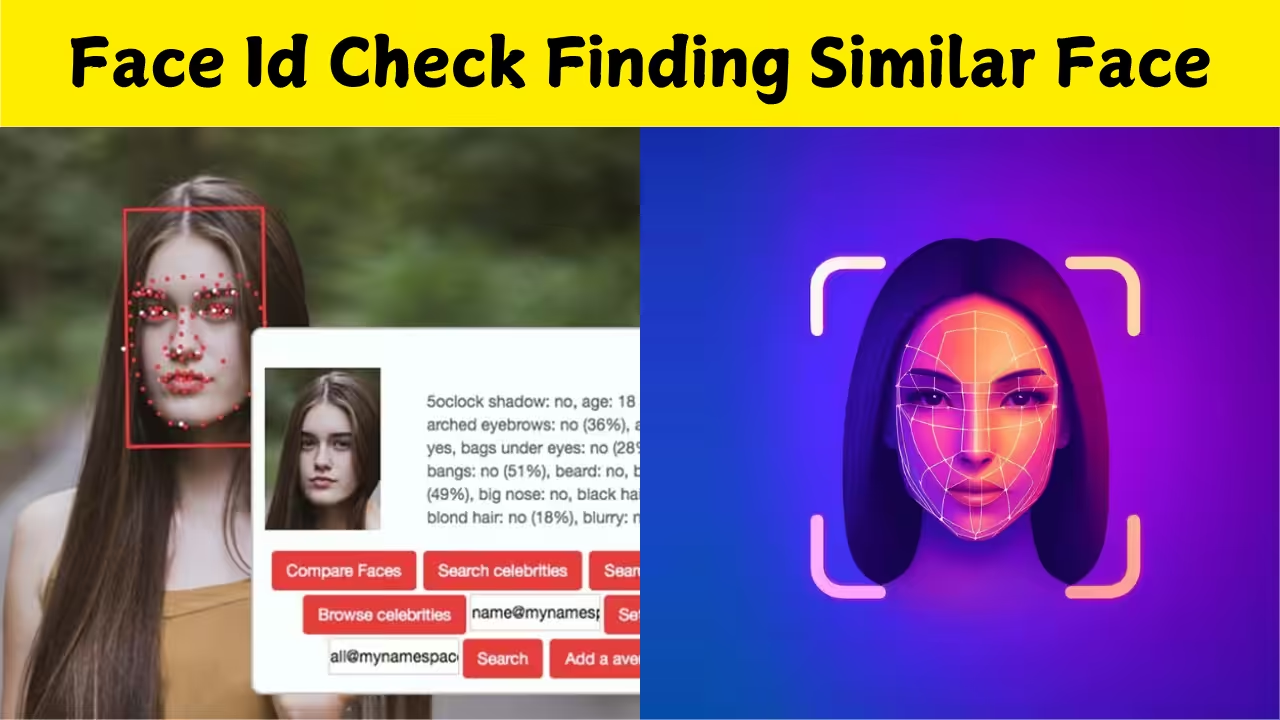
Introduction to Face ID Check
Face ID Check is a new digital method that uses advanced AI technology to identify a person’s face or find similar-looking faces from the internet. Many face-search tools and applications now allow users to upload a photo and discover matches, look-alikes, or identity hints using facial recognition. This technology is becoming popular for entertainment, research, safety, and online verification.
How Face Similarity Search Works
Face similarity tools analyze the uploaded photo using AI facial mapping techniques. These tools scan key features such as eyes, nose, jawline, skin texture, and face shape. The system converts these features into a digital pattern and compares it with millions of images available online. Based on the match, it shows faces that closely resemble the uploaded image. The accuracy depends on the clarity of the photo and the size of the image database.
Uses of Face ID Check Technology
Face ID Check tools are used in several fields. Many people use them to search for their look-alikes for fun or social media content. Some use them for finding images of themselves that may appear on the web. The technology is also useful in missing person identification, photo verification, and recognizing social media profiles. People interested in genealogy and ancestry also use such tools to compare faces across generations.
Face Recognition for Online Identity Search
Face ID Check systems help users search the web for photos similar to a particular individual. This is useful when someone wants to check whether their photos are being used without permission on fake profiles. By uploading a recent picture, the system detects any matching or similar photos across the internet. It helps in tracking identity misuse and protecting online privacy.
Finding Celebrity Look-Alikes
One of the most common uses of face similarity tools is finding celebrity look-alikes. Many apps allow users to upload their photo and instantly see which celebrity they resemble. This feature became popular because it is fun, social, and shareable. The results depend on how closely the user’s facial features match with available celebrity database images. Fake social media profiles have become a serious issue. Face ID Check tools make it easier to identify whether a profile picture is original or copied from somewhere else. Users can upload the suspicious photo to the face search tool and check if the same image appears on other websites. This helps detect impersonation and prevents people from falling into online scams.
AI in Law Enforcement and Security
Face ID technology plays a role in modern security systems. Law enforcement agencies use advanced versions of facial recognition to identify suspects or track individuals in public spaces. This is done through surveillance cameras and large verified databases. While the general public uses basic face search apps, security agencies use sophisticated versions with high accuracy and restricted access.
Privacy Concerns and Data Safety
With the popularity of facial recognition tools, privacy concerns have increased. Users must be cautious when uploading personal photos on unknown websites. A trusted application should clearly state how the uploaded images are used and whether they are stored. Selecting apps with strong privacy policies helps protect sensitive biometric data. Finding the right face search application is important for accurate results. Users should look for apps that are well-known, frequently updated, and transparent about data usage. Apps with large databases give better similarity matches. A good tool also offers quick processing, easy uploading, and reliable search results.
Clarity and Quality of Photos Matter
A clear image increases the accuracy of any face similarity result. The system works better when the uploaded photo has good lighting, sharp details, and a visible face. Blurry or low-quality images make it difficult for the AI algorithm to identify correct facial features. Choosing the right angle and resolution ensures more accurate matches. Face-matching tools are widely used in entertainment and social media platforms. Users create fun content by comparing their faces with famous personalities or fictional characters. Many apps also generate transformation effects based on the user’s face. These features make face ID tools engaging and enjoyable for daily use.
Role of Facial Recognition in Digital Documentation
Many online services now use facial verification to confirm identity during registration or document submission. This includes KYC processes, banking apps, and government portals. The system compares the user’s selfie with official ID documents to ensure authenticity. This helps prevent fraud and secures online transactions. Face ID technology continues to advance with improvements in AI and machine learning. Future systems will offer more accurate results, faster processing, and broader databases. They may also include age progression, mask detection, and real-time similarity analysis. As technology grows, the balance between convenience and data privacy will become more important.
Understanding the Limitations
Although face ID tools are powerful, they are not perfect. Changes in hairstyle, makeup, lighting, or angle can affect similarity results. The matches shown are based on algorithmic predictions and not guaranteed confirmations. Users should view results as approximate suggestions rather than exact identification. Face ID Check and similar face-finding tools have made facial recognition accessible to everyone. Whether someone wants to find their look-alike, verify online identity, detect fake profiles, or explore genealogy, these tools offer simple solutions. With responsible use and attention to privacy, face similarity search technology becomes a useful and engaging tool in today’s digital world.