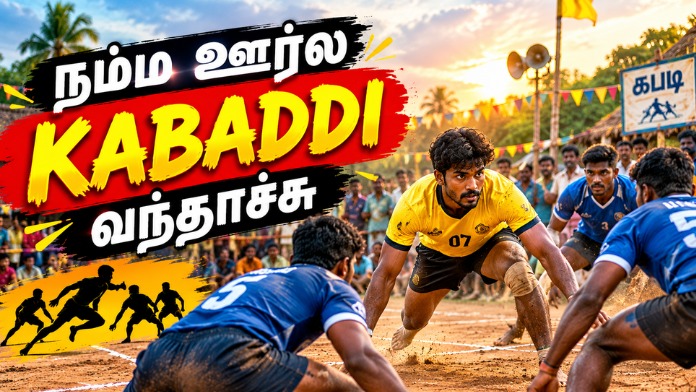
Introduction to Kabaddi
Kabaddi is one of India’s most exciting traditional sports, combining strength, speed, strategy, and teamwork. It has gained popularity among people of different ages because it requires athletic ability, quick thinking, and courage. Today, kabaddi is played in schools, colleges, villages, and professional stadiums, attracting millions of fans across India and beyond.
History and Origin of Kabaddi
Kabaddi has deep roots in Indian sporting culture and has been played for generations. Traditionally, it was popular in rural communities, where players competed on open grounds without requiring expensive equipment. Over time, the sport developed into an organized competition with established rules, professional teams, and national and international tournaments.
Basic Rules of Kabaddi
Kabaddi is generally played between two teams on a divided playing court. A player known as a raider enters the opponent’s half and attempts to tag defenders before returning safely to their own side. The defending team tries to stop the raider while following the official rules. Points are awarded according to successful raids, tackles, and other match situations.
Essential Skills Required in Kabaddi
Successful kabaddi players need a combination of physical fitness and mental strength. Speed, flexibility, balance, stamina, and agility are important for both raiders and defenders. Raiders use techniques such as toe touches and hand touches, while defenders work together to perform tackles and prevent opponents from escaping.
Health and Fitness Benefits of Kabaddi
Playing kabaddi can help improve cardiovascular fitness, muscular strength, coordination, flexibility, and endurance. The sport involves frequent running, sudden movements, and quick changes in direction. Regular participation, combined with proper training and recovery, can support an active lifestyle and help players develop greater physical confidence.
Importance of Teamwork in Kabaddi
Teamwork plays a major role in kabaddi because players must communicate and coordinate their movements. Defenders often work together to stop a raider, while raiders depend on their teammates to maintain a strong overall strategy. The sport teaches discipline, cooperation, leadership, and respect for opponents.
Pro Kabaddi League and Professional Growth
The Pro Kabaddi League has helped introduce kabaddi to a wider television and digital audience. Professional teams, talented athletes, enthusiastic supporters, and competitive matches have increased interest in the sport. The league has also created more visibility for players and encouraged young people to explore kabaddi as a serious sporting pursuit.
Famous Kabaddi Tournaments
Kabaddi competitions take place at school, college, district, state, national, and international levels. Professional leagues and major championships provide opportunities for athletes to demonstrate their abilities. These events encourage competition, develop sporting talent, and bring fans together to celebrate the excitement of kabaddi.
Role of Kabaddi in Indian Culture
Kabaddi remains an important part of India’s sporting heritage. In many communities, the game represents courage, determination, discipline, and unity. Its accessibility makes it especially attractive in places where players may not have access to expensive sports facilities. Kabaddi continues to connect traditional games with modern sporting culture.
Kabaddi Training and Safety
Proper training helps players improve their performance while reducing the risk of injury. Warm-up exercises, strength training, flexibility work, and regular practice are important parts of preparation. Players should learn correct tackling techniques, use suitable playing surfaces, stay hydrated, and follow their coaches’ guidance. Rest and recovery are also essential for long-term progress.
The Future of Kabaddi
The future of kabaddi looks promising as more young athletes, coaches, schools, and sports organizations support its development. Better training facilities, professional opportunities, and increased media coverage can help the sport reach new audiences. With continued investment in grassroots programs and athlete development, kabaddi can strengthen its position in Indian sports and gain greater international recognition.
Conclusion
Kabaddi is more than a traditional game; it is a sport that celebrates physical strength, intelligence, teamwork, and determination. From village playgrounds to professional arenas, it continues to inspire players and fans. Learning its rules, understanding its benefits, and supporting young athletes can help preserve kabaddi’s rich heritage while encouraging its growth for future generations.