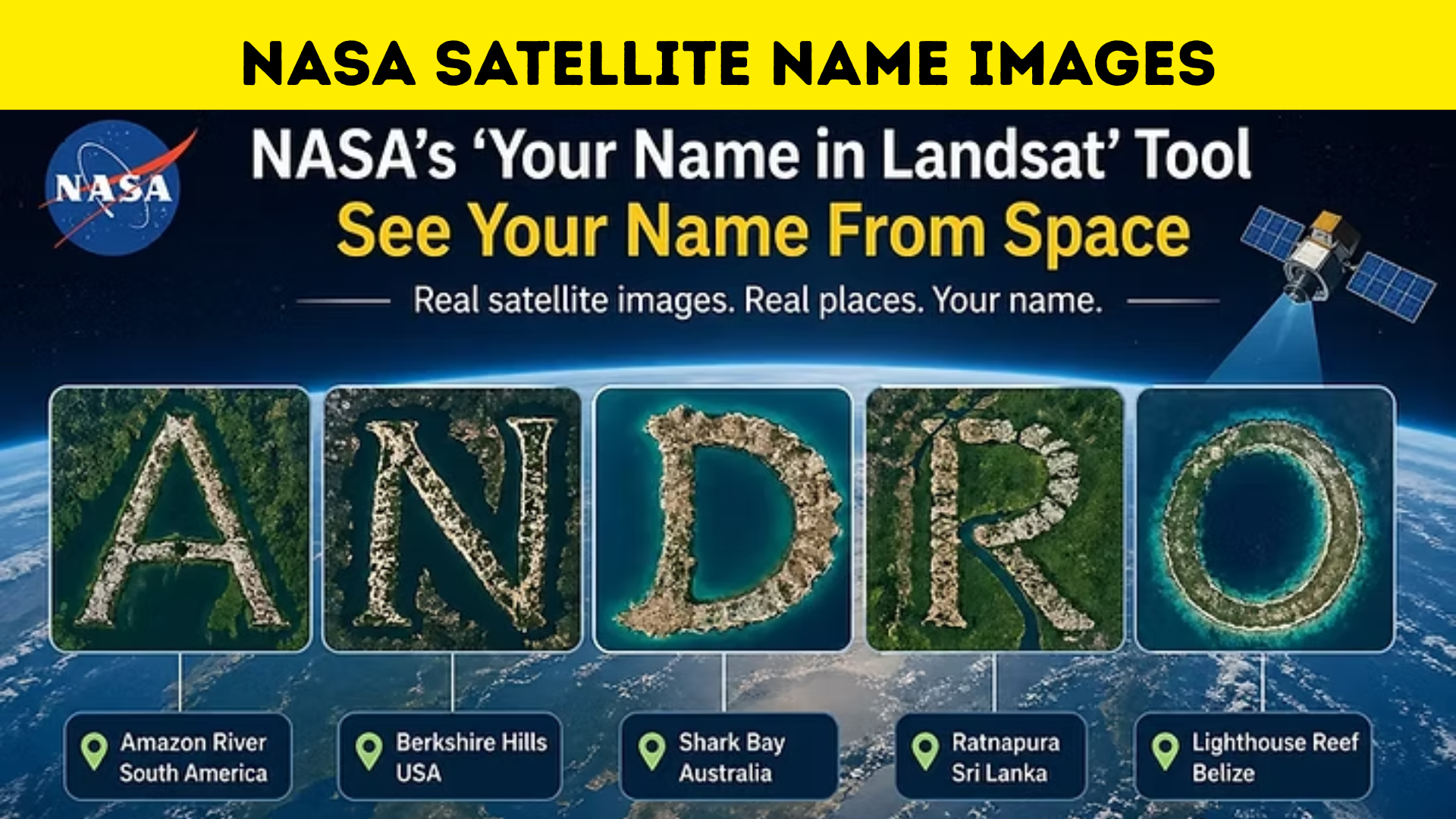
Discovering Earth Through Space Technology
When it comes to exploring our planet from above, NASA has revolutionized the way we see Earth. Satellite images captured by NASA reveal breathtaking landscapes, massive cloud systems, glowing city lights, and hidden natural patterns that cannot be seen from the ground. These images combine beauty with science, offering a deeper understanding of how our planet functions every day.
What Are NASA Satellite Images?
NASA satellite images are high-quality photographs and data visualizations taken from satellites orbiting Earth. These satellites are equipped with advanced cameras and sensors that capture images in different wavelengths. One of the most important missions, the Landsat Program, has been continuously monitoring Earth for decades, providing valuable data for scientists, researchers, and governments worldwide.
The Science Behind the Images
The images we see are not just simple pictures; they are created using complex scientific technology. Satellites like the Terra satellite use multispectral sensors to capture information beyond visible light. This allows scientists to study vegetation, soil conditions, and atmospheric changes with incredible accuracy, making satellite imagery a powerful research tool.
Weather Monitoring from Space
NASA satellites play a crucial role in tracking weather systems across the globe. The Aqua satellite provides real-time data on storms, rainfall, and temperature changes. These satellite images help meteorologists predict weather conditions more accurately and prepare for severe weather events, reducing risks to human life and property.
Tracking Environmental Changes
Environmental changes are clearly visible through NASA satellite imagery. From deforestation in rainforests to melting glaciers in polar regions, these images provide strong evidence of climate change. Programs like the Earth Observing System help scientists monitor long-term environmental trends and develop strategies to protect natural ecosystems.
Human Impact on Earth
NASA satellite images also highlight how human activities are shaping the planet. Expanding cities, highways, and industrial zones are clearly visible from space. These insights allow urban planners and policymakers to understand growth patterns and make informed decisions about sustainable development.
Observing Oceans and Water Resources
Water bodies are constantly changing, and NASA satellites help monitor these changes. They track ocean currents, sea-level rise, and water quality. This data is essential for understanding global warming and managing water resources effectively, especially in regions facing water scarcity.
Disaster Response and Management
In times of natural disasters, NASA satellite images become life-saving tools. They provide real-time visuals of floods, wildfires, and earthquakes, helping emergency teams respond quickly and efficiently. These images also help assess damage and plan recovery efforts more effectively.
Iconic NASA Satellite Images
Some NASA images have become globally recognized symbols of our planet’s beauty. The famous “Blue Marble” image captured during Apollo 17 shows Earth as a vibrant blue sphere floating in space. Meanwhile, the Hubble Space Telescope continues to capture stunning images of distant galaxies and cosmic phenomena.
Accessing NASA Images Online
NASA has made its satellite images easily accessible to the public. Tools like NASA Worldview allow users to explore Earth in near real time. Anyone with an internet connection can view these images, making space exploration more accessible than ever before.
The Future of NASA Satellite Imaging
The future of satellite imaging is incredibly exciting, with new missions and technologies on the horizon. NASA is developing more advanced satellites with higher resolution and better data processing capabilities. These innovations will provide even clearer insights into Earth’s systems and help address global challenges more effectively.
Download
NASA satellite images are not just visually stunning; they are essential tools for science, research, and global awareness. They help us understand our planet, monitor environmental changes, and respond to disasters. As technology continues to evolve, these images will play an even bigger role in shaping our understanding of Earth and the universe.
Arshiya
Photo