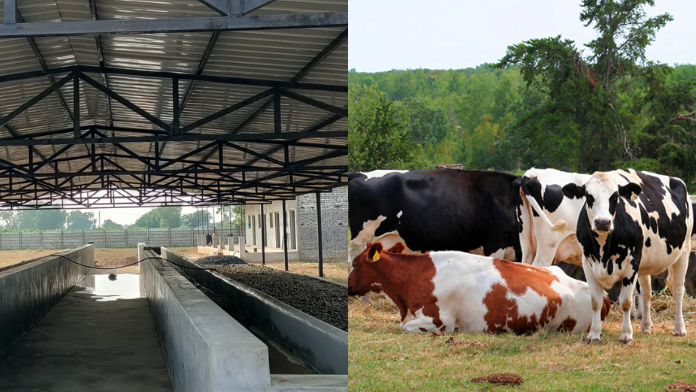
Understanding the Importance of the Cow
The cow is one of the most valuable domestic animals in the world, playing a significant role in agriculture, food production, and rural livelihoods. For centuries, cows have supported human civilization by providing milk, helping in farming activities, and contributing to sustainable living. Their gentle nature and usefulness have made them an important part of cultures and traditions across many countries.
The History and Domestication of Cows
Cows have been domesticated for thousands of years and have become essential companions in agricultural societies. Ancient civilizations recognized their value for producing food and assisting with farming tasks. Over time, selective breeding improved various cattle breeds, allowing farmers to raise cows for milk, meat, and other agricultural purposes. Today, cows remain a vital part of both traditional and modern farming systems.
Nutritional Benefits of Cow’s Milk
Cow’s milk is one of the most nutritious natural beverages available. It contains essential nutrients such as calcium, protein, vitamin D, vitamin B12, and phosphorus, which support healthy bones, muscles, and overall body development. Milk is used to produce a variety of dairy products including butter, cheese, yogurt, cream, and ghee, making it an indispensable part of many diets around the world.
The Role of Cows in Agriculture
Cows contribute significantly to agriculture beyond milk production. Their manure serves as an excellent organic fertilizer that improves soil fertility and promotes healthy crop growth. In many rural communities, cow dung is also used as a renewable source of fuel and in the production of biogas. These eco-friendly benefits make cows an essential part of sustainable farming practices.
Different Breeds of Cows Around the World
There are hundreds of cow breeds adapted to different climates and farming needs. Some breeds are known for their high milk production, while others are valued for their strength or meat quality. Popular dairy breeds include Holstein Friesian, Jersey, and Brown Swiss, whereas indigenous breeds are appreciated for their resilience, disease resistance, and ability to thrive in local environmental conditions.
Cultural and Religious Significance of the Cow
In many cultures, the cow is respected as a symbol of prosperity, nourishment, and compassion. In India, the cow holds deep cultural and spiritual importance and is regarded with great respect by many communities. Festivals, traditions, and rural customs often highlight the cow’s role in supporting family life, agriculture, and the well-being of society.
Proper Care and Welfare of Cows
Healthy cows require balanced nutrition, clean drinking water, regular veterinary care, and comfortable shelter. Farmers who prioritize animal welfare ensure that cows remain healthy and productive throughout their lives. Proper hygiene, timely vaccinations, and stress-free environments not only improve animal health but also contribute to higher-quality milk production and sustainable farming practices.
Environmental Benefits of Responsible Cattle Farming
When managed responsibly, cattle farming can contribute to environmentally friendly agriculture. Sustainable grazing practices help maintain grasslands, improve soil quality, and support biodiversity. Modern farming techniques also focus on reducing environmental impact through efficient resource management, waste recycling, and renewable energy production from livestock waste.
Economic Importance of the Cow
The cow plays a major role in supporting the rural economy by generating income through milk production, dairy products, and agricultural activities. Millions of farmers around the world depend on cattle farming for their livelihoods. The dairy industry creates employment opportunities in transportation, food processing, veterinary services, and retail, making cows an important contributor to economic development.
Why Cows Continue to Be Valuable Today
Despite advances in technology and modern agriculture, cows remain indispensable to human life. They provide nutritious food, support sustainable farming, and contribute to rural prosperity. Their versatility and adaptability ensure that they continue to play a vital role in meeting the growing demand for food while supporting environmentally responsible agricultural practices.
Conclusion
The cow is far more than a farm animal; it is a cornerstone of agriculture, nutrition, and sustainable living. Its contributions to food production, environmental conservation, and rural livelihoods make it one of the most important domestic animals in the world. By promoting responsible animal care and sustainable farming, societies can continue to benefit from the many valuable contributions that cows provide for generations to come.